
5 Vibe-Coded Games That Actually Launched on Steam
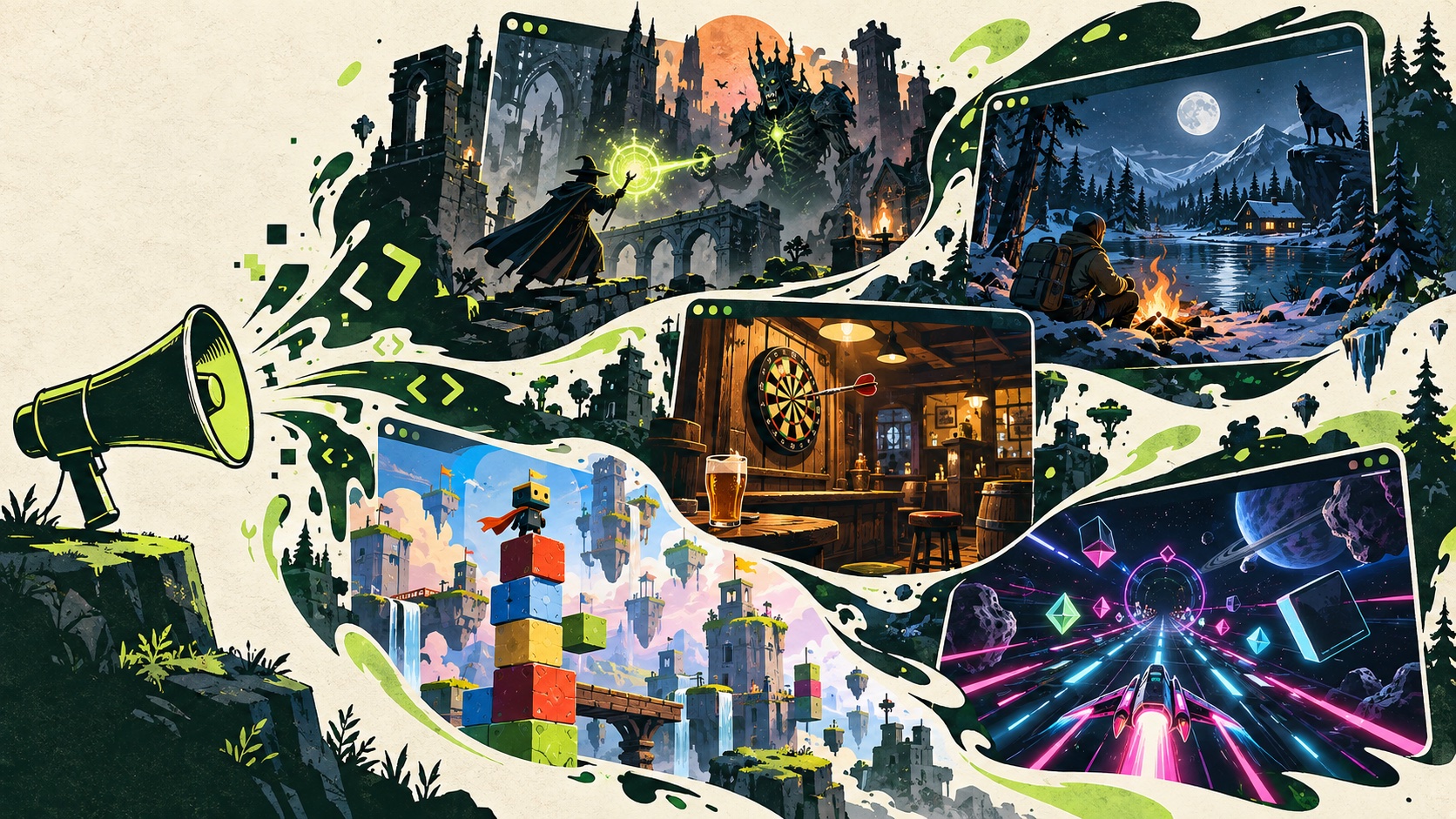
There is a large gap between posting a game prototype and asking someone to buy it. A Steam page can be created months before release; a playable demo can still be far from finished. These five AI-assisted games crossed the line into an actual Steam launch. What happened after that line is more varied—and more interesting—than a simple “AI made a game” headline.
For this list, released means the full game or a paid Early Access version was available on Steam by October 5, 2026. A future release date, wishlist page or demo alone did not qualify. We also looked for a first-hand developer account or an explicit AI disclosure, because the fact that a game uses AI-generated art does not by itself tell us how it was built. “Vibe-coded” here means AI assistants had a documented role in making the game, especially its code; the degree of human direction varies sharply between projects.
CODEX MORTIS: one prompt, two rewrites, then a full release
The earliest version of CODEX MORTIS was a prompt for a Vampire Survivors-style game. According to a developer’s account, the first playable result arrived quickly. The hard part began when the team added more enemies, abilities and effects: performance suffered, files ballooned, and small changes began to require awkward fixes.
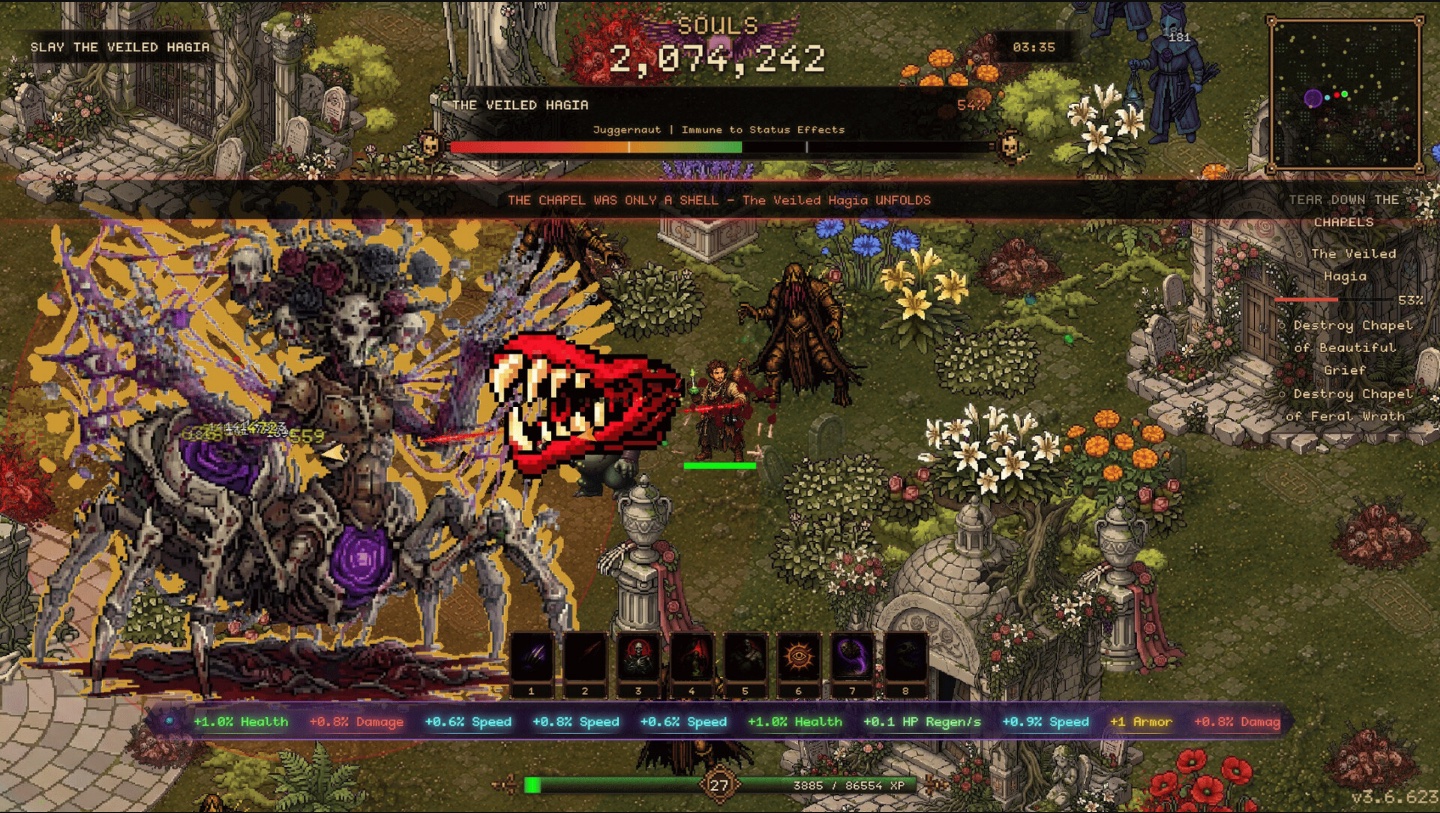
The game was rebuilt twice. Its production stack became TypeScript, PixiJS and bitECS, with the developer giving AI more specific architectural instructions and checking the results. That matters more than the one-prompt origin story: even with AI writing code, someone still had to decide how the systems should fit together and whether combat was fun. Steam’s disclosure says AI was used for the game’s code, text, art, sounds and music.
CODEX MORTIS entered Early Access on March 26 and reached its full 1.0 release on September 24. The current version expands the survivor-and-deckbuilding formula with ten schools of dark magic, fourteen levels and online co-op. By October 6, it had 89 Steam-purchase reviews, 71 positive—about 80%. That is evidence of an audience, though reviews are not a sales count. The documented achievement is a shipped, updated game, not a verified financial hit.
Infinite Night reached Steam; its creator was still chasing a business
SUHO LEE’s Infinite Night arrived on Steam on April 9. It is a dark-fantasy survivor game: collect weapons, destroy seal stones and survive boss battles under a blood-red moon. The store page says Claude Code was used across design, programming, balancing and localization, while no AI operates during gameplay.
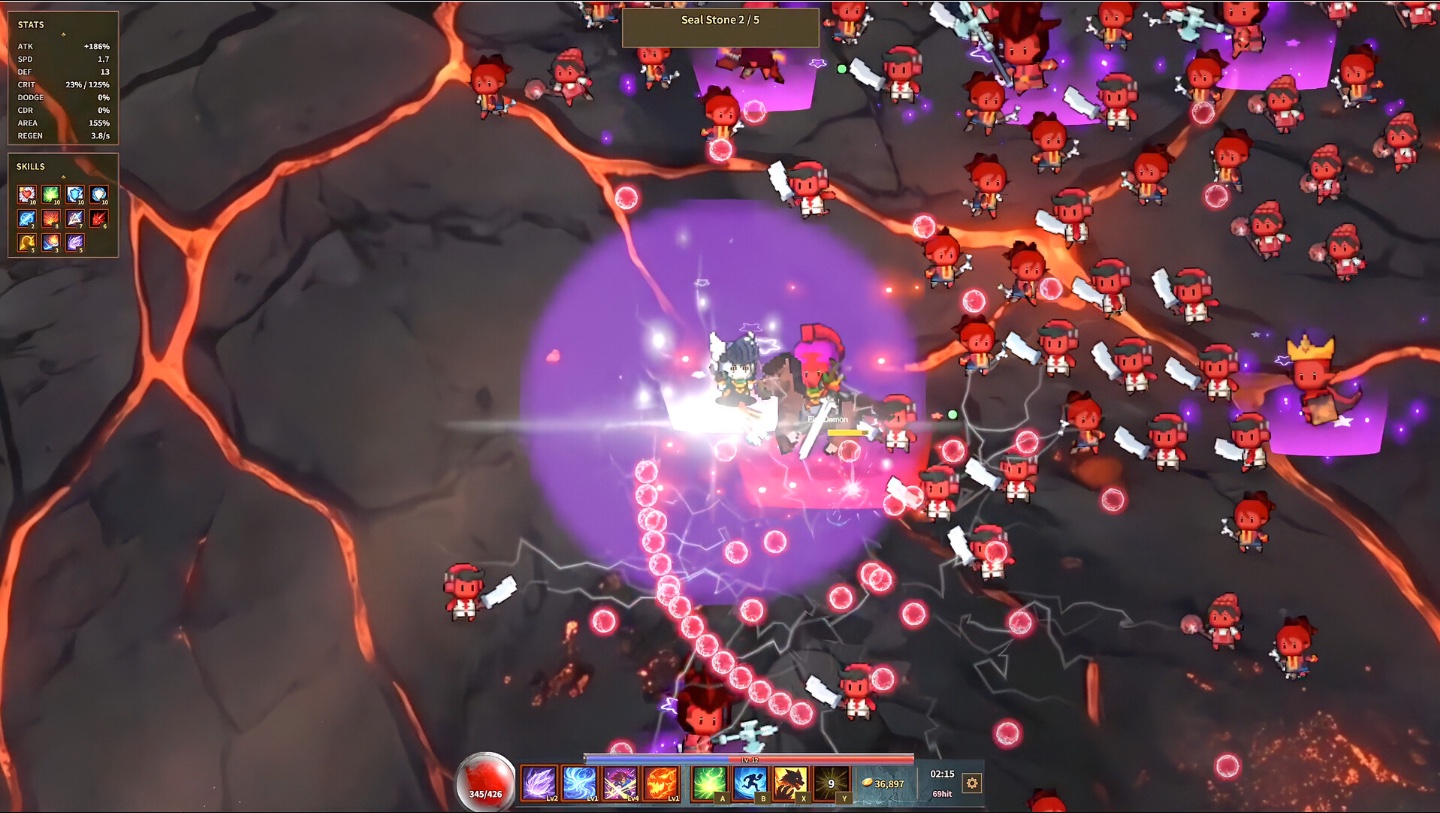
Lee’s post-launch explanation is a useful look at the actual workflow. He drafted design documents with Claude in the browser, sent them to Claude Code for implementation, and later maintained a code map and CLAUDE.md instructions when the project became too large for the assistant to keep straight. He says he personally spent more than 50 hours testing balance. The interface also needed a human redesign; generated code could implement a screen but could not judge its visual quality.
The result was a paid Steam release, followed by patches. Lee described early sales as underwhelming and said they had not covered his Claude costs at that point. He began considering a free, ad-supported mobile version. As of October 6, Steam showed no reviews from Steam purchasers; that does not establish how many copies were sold. It is the least romantic result in this list, and perhaps the most useful one for a new developer: faster production does not give a new game an audience.
Pixel Darts put an actual number on the launch
Pixel Darts: From Pub to Glory sounds almost too modest for a case study. The core action is throwing a dart with the mouse. Developer zweipilot built a pub around it, then a career, an arcade leaderboard, multiple darts rules and 72 rivals. He released the full game on Steam on July 17, after putting a playable browser demo and devlogs in front of people.
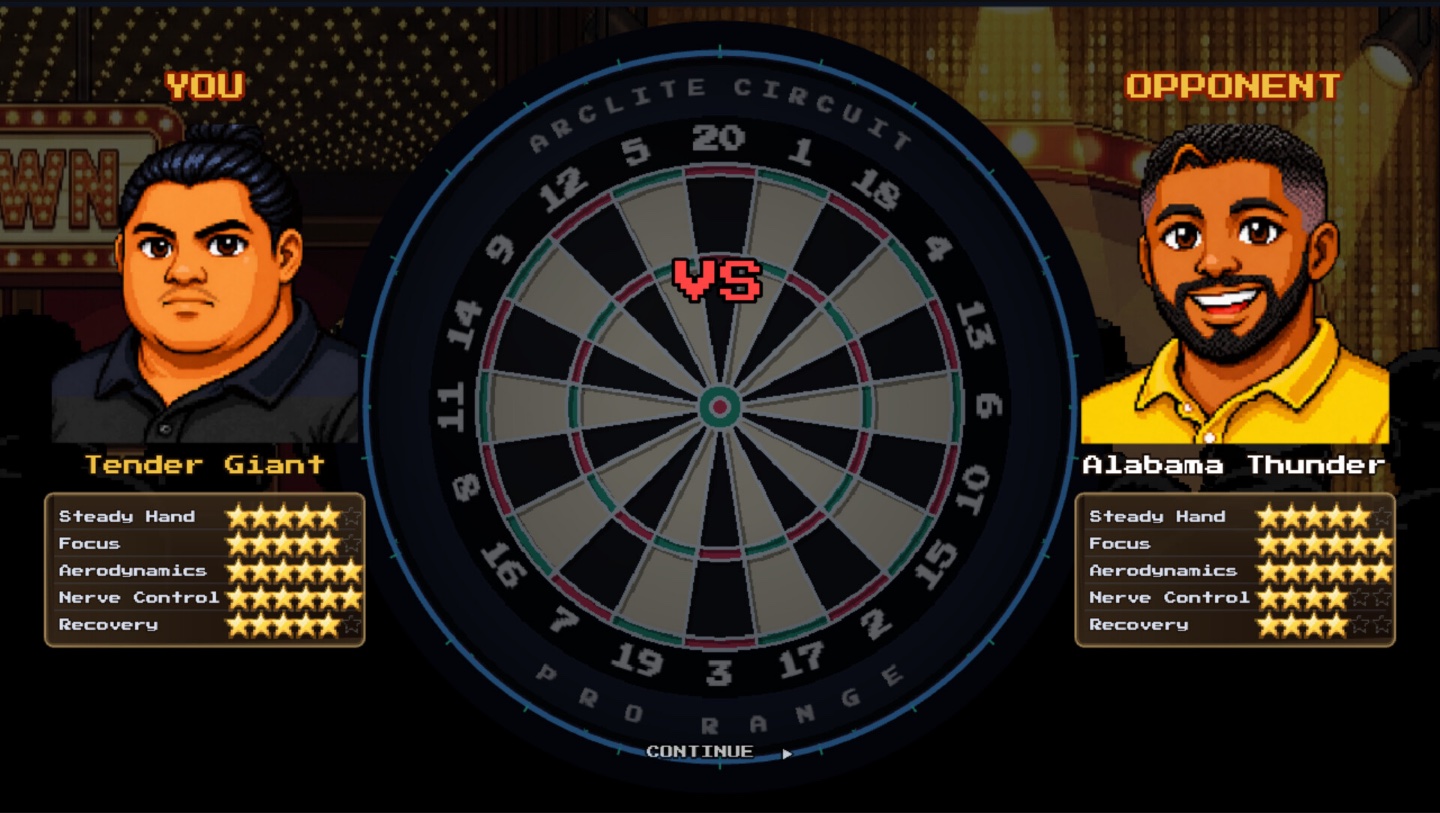
The throw itself has a surprising amount behind it: aim drift, release quality and character traits change where the dart lands. Steam’s AI disclosure describes assistance with code, audio and initial visual assets; the developer says he edited the final assets and made the story and design decisions himself. He also estimates about 1,000 hours of work. This is an AI-assisted game, but hardly an afternoon’s prompting.
In a post-launch sales update, he reported 202 copies and $1,165 in Steamworks lifetime gross revenue after almost ten weeks. He had spent around $600 on AI and software tools. Those are self-reported numbers, and gross revenue is before Steam’s cut and taxes. By October 6, the public Steam-purchase review count was 15, with 14 positive. Once his time is counted, the project was not a meaningful wage. Still, Pixel Darts supplies something rare in vibe-coding stories: an actual unit count and a candid explanation of what it did—and did not—earn.
Stackbound turned block stacking into a card game
Stackbound begins with geometric blocks and real physics. Wood, stone and ice behave differently; a tower can topple because of a careless placement. Before each round, a Difficulty Wheel may bring wind, time pressure or altered gravity. Cards let players stabilize a structure, change the rules or take risks for rewards. It is a game about managing a system that keeps trying to fall apart.
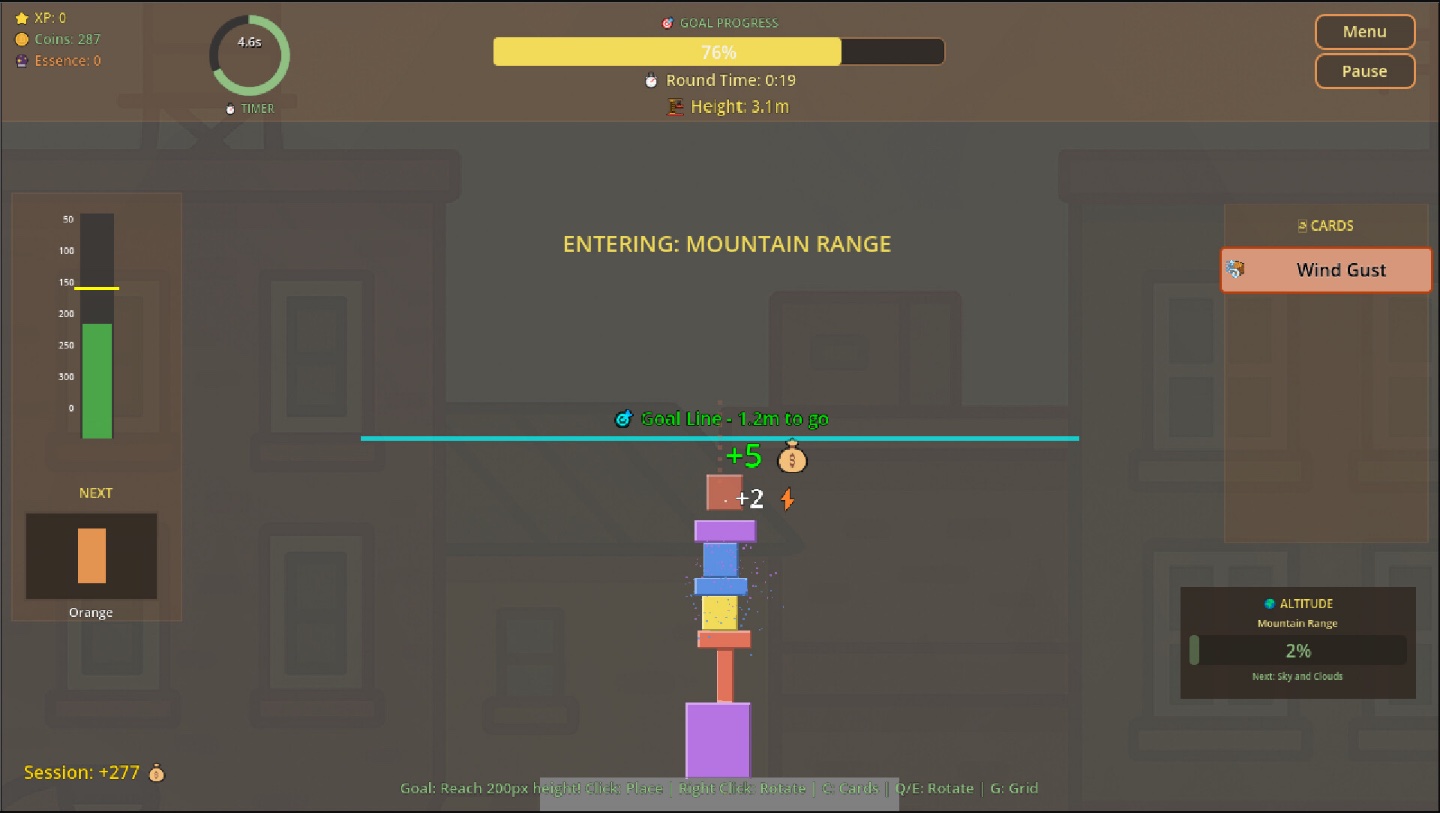
Solo maker Werner Viljoen’s Rogue Dog Indie site says every game in his catalog was built with Claude Code and Codex. It describes Stackbound’s physics, 25-plus cards and persistent progression, and links directly to its Steam purchase page. Steam records the release as July 21. The public account does not say which specific assets or code paths in Stackbound came from AI, so it would be wrong to invent a percentage.
There is no verified sales figure in the sources we found, and Steam showed no Steam-purchase reviews on October 6. Stackbound belongs here because it is a complete, purchasable Steam game with a documented AI-assisted solo workflow, not because we can call it a commercial success.
Dubstep: Solar System disclosed exactly where AI fits
In Dubstep: Solar System, a ship rides a neon tunnel from Mercury toward Pluto while the player hits gates on the beat. Perfect timing extends a combo and builds speed; missed gates punish the run. Ian Rosner made it in Godot 4 and released it on Steam on August 28.
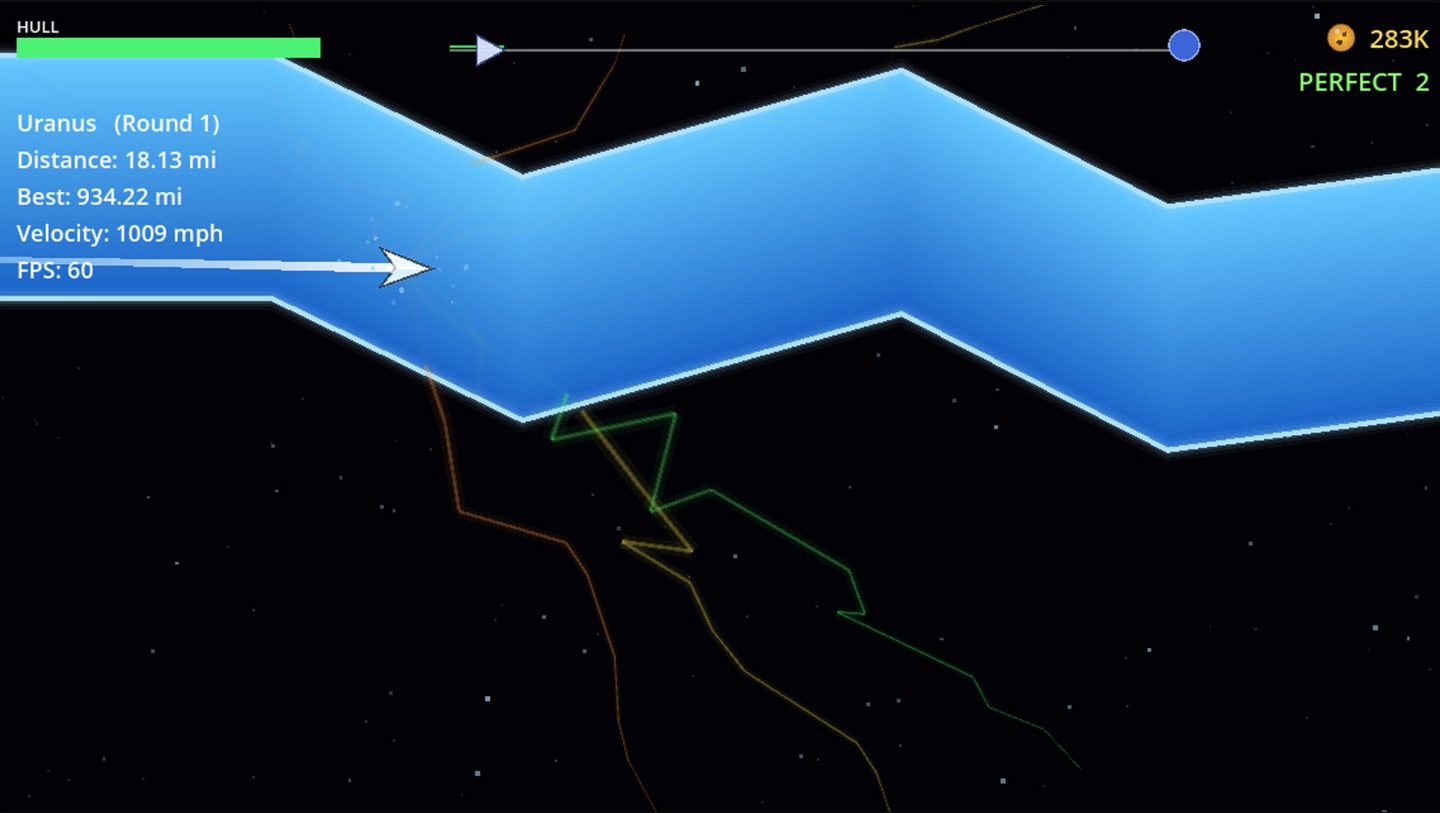
The AI disclosure on Steam is unusually detailed. Rosner says coding assistants wrote much of the code under his direction. He generated a 46-track soundtrack with Suno under a paid commercial license, then selected and tested tracks against the rhythm mechanic. AI tools also contributed to store artwork. The in-game visuals, he says, are procedural graphics drawn by the game’s code; no AI material is generated while a player is playing. The creator also offers the game on itch.io.
There is a live, paid Steam release, but no public revenue figure we could substantiate. As of October 6, Steam showed no Steam-purchase reviews; no reviews does not mean no players. That limits the conclusion: Rosner shipped an AI-assisted game and explained how it was made. It does not tell us whether he found a market for it.
Getting onto Steam is a milestone, not a finish line
These games share a release platform, but little else. CODEX MORTIS rebuilt its architecture twice; Infinite Night’s creator had to repair and market a product that AI could help produce but not sell; Pixel Darts paired a simple mechanic with a long solo development effort and then published real sales figures. Stackbound shows a one-person AI-assisted catalog, while Dubstep: Solar System draws a clear line between generated music, assisted code and human design.
For someone building a first game, their most practical lesson is not that Steam has suddenly become easy. AI can compress the path to a prototype and help a solo maker finish more of the work. Shipping still requires quality control, store preparation, playtesting, and a reason for players to care. Even a genuine release can be the start of a difficult search for an audience.