
10 Vibe-Coded Projects Making Money in October 2026
A prompt can produce a demo before lunch. Getting someone to pay for it, keep using it and recommend it is a different milestone. The interesting vibe-coding stories in October 2026 are no longer just screenshots of working interfaces. Some now come with public payment data, repeat customers and a fairly clear explanation of where the demand came from.
We looked at ten projects spanning creative production, e-commerce, social publishing, fitness and developer infrastructure. Their stories have more variety than the familiar “I had no experience and built an app in a weekend” pitch: some founders were beginners, some were experienced engineers, and several already had an audience or a business in the same market.
A note on “profitable”: this is a selection of projects making revenue, not a verified ranking by net profit. Nine have public payment-connected revenue profiles; Dropmagic’s headline figure is a founder-reported MRR claim. Costs are not disclosed consistently enough to establish which businesses are profitable or which one earns the most after expenses.
The October numbers, without mixing the measures
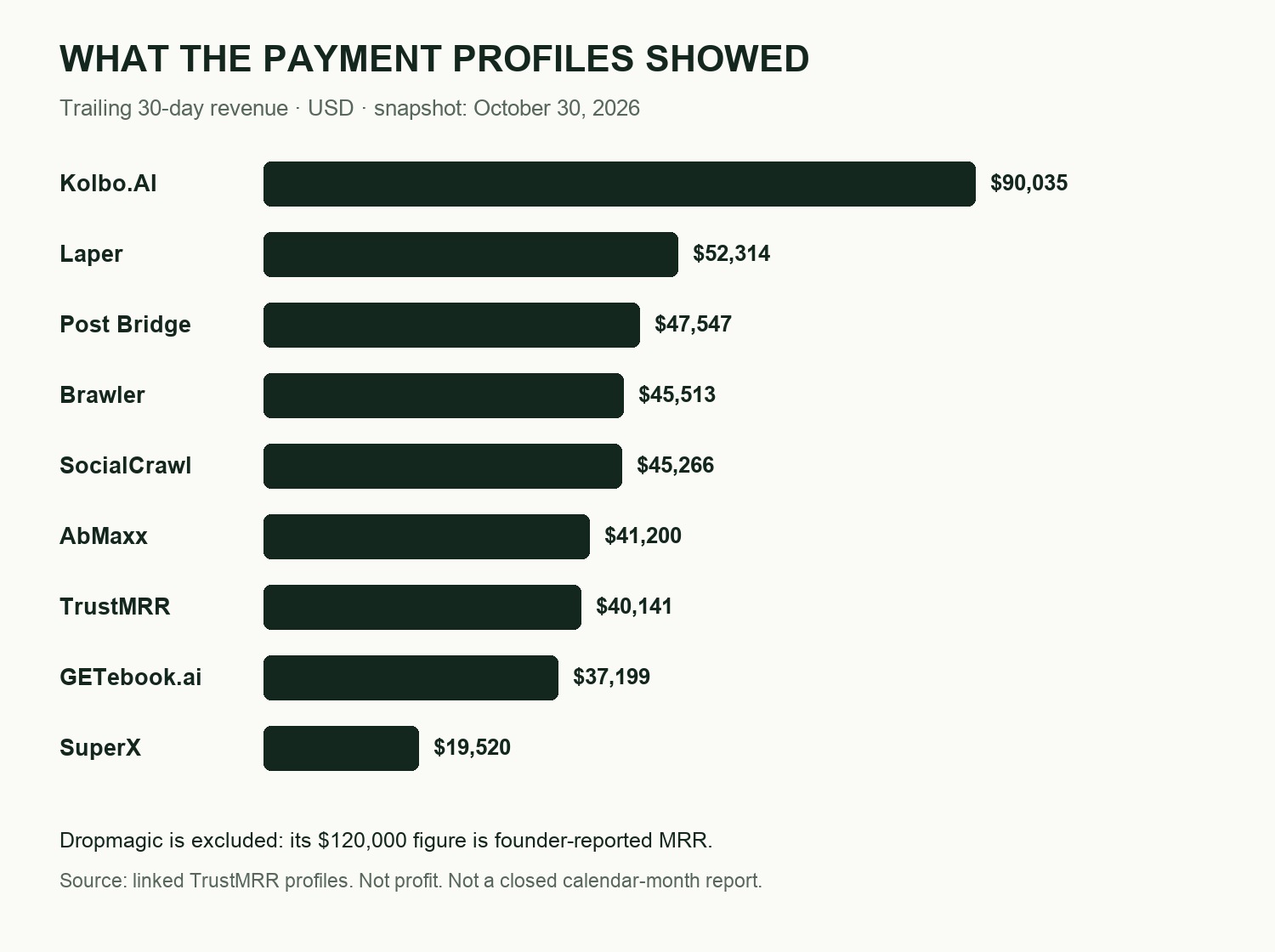
The nine rolling revenue figures below were observed on October 30, 2026. They cover the preceding 30 days, not a finalized October 1–31 reporting period. MRR is a normalized recurring-subscription measure; it is not interchangeable with cash received. Stripe or RevenueCat connections improve the evidence for receipts, but they do not constitute an audit of the entire business.
| Project | Public financial figure | What the number means |
|---|---|---|
| Dropmagic | $120,000 MRR | Founder statement, October 6; not independently verified |
| Kolbo.AI | $90,035 | Trailing 30-day revenue; public TrustMRR snapshot |
| Laper | $52,314 | Trailing 30-day revenue; public TrustMRR snapshot |
| Post Bridge | $47,547 | Trailing 30-day revenue; public TrustMRR snapshot |
| Brawler | $45,513 | Trailing 30-day revenue; public TrustMRR snapshot |
| SocialCrawl | $45,266 | Trailing 30-day revenue; public TrustMRR snapshot |
| AbMaxx | $41,200 | Trailing 30-day revenue; public TrustMRR snapshot |
| TrustMRR | $40,141 | Trailing 30-day revenue; public TrustMRR snapshot |
| GETebook.ai | $37,199 | Trailing 30-day revenue; public TrustMRR snapshot |
| SuperX | $19,520 | Trailing 30-day revenue; public TrustMRR snapshot |
1. Dropmagic: a storefront needs a route to customers
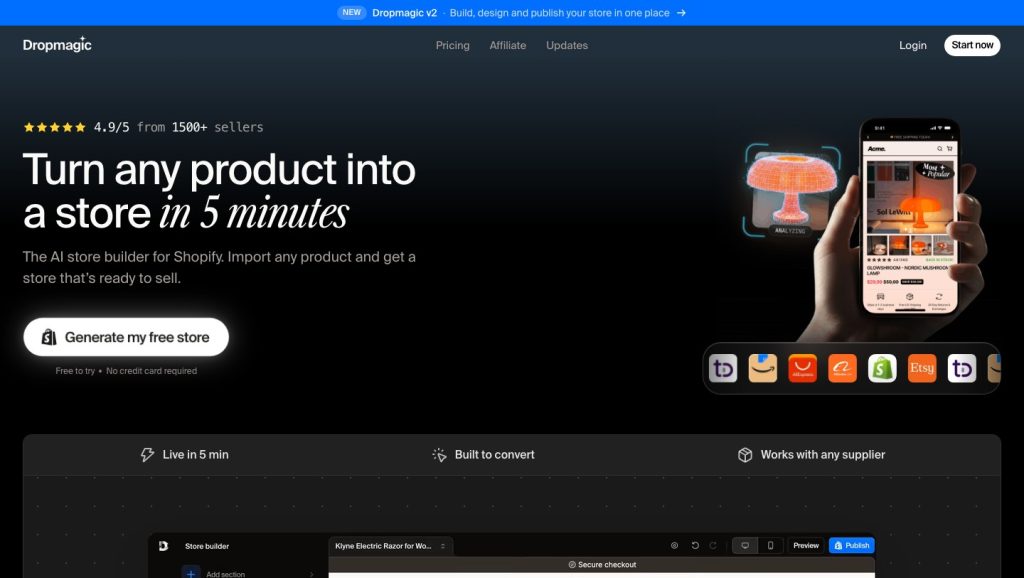
Dropmagic turns a product import into the starting point for a Shopify storefront. The merchant can adjust the brand, images and page sections instead of assembling everything from a blank theme. That is a straightforward product to demonstrate: show the input, then show the store that comes out.
Cofounder Loïc Berthelot describes developing it with Cursor and Claude Code. He also has substantial engineering experience. The team includes a YouTube creator in the e-commerce niche, and its published account attributes more than 60% of new customers to YouTube. The development story and the distribution story are inseparable.
On October 6, Berthelot reported $120,000 MRR. That is the largest headline figure in this selection, but it has a different evidence level and denominator from the nine payment snapshots. It is a founder claim about recurring revenue, not verified October profit.
The lesson is more useful than “build a store generator.” A creator who can demonstrate the product to people already trying to launch a store is part of the business model. Faster development would not, by itself, create that audience.
Build story and source trail · Explore Dropmagic and our screenshots
2. Kolbo.AI: selling the workspace around the models
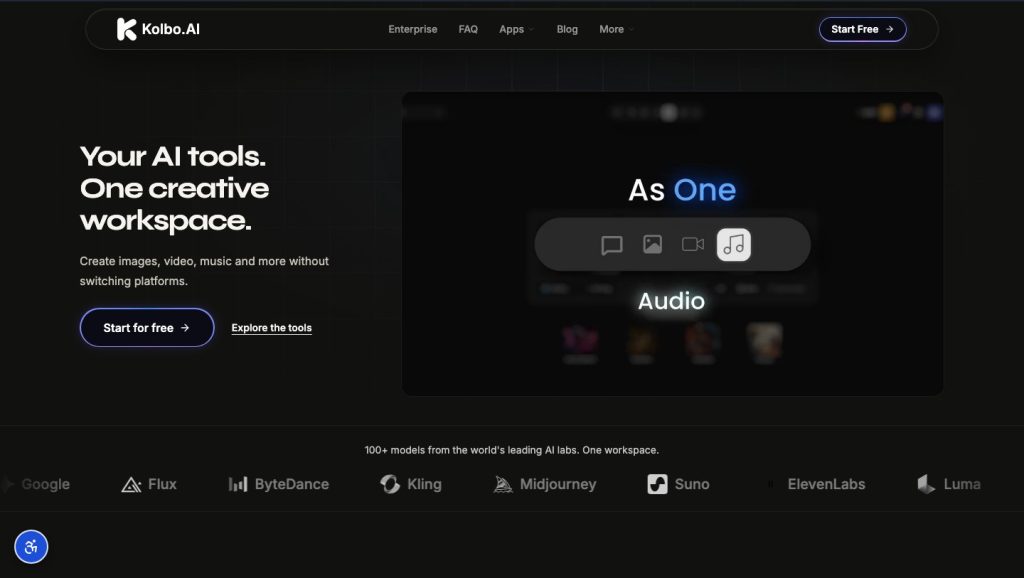
Kolbo.AI brings image, video, audio and other generation tools into a shared creative workspace. Its proposition is convenience and continuity: keep assets and context together instead of rebuilding a project across several subscriptions and interfaces.
Zohar Vanunu says he used Lovable to build about 80% of the platform, then extended it with Cursor and Claude Code. He describes a shift away from relying on hired developers; that history should not be rewritten as “no developer ever worked on the product.” The percentage is also his estimate.
TrustMRR showed $90,035 in trailing 30-day revenue and $39,299 MRR on October 30. A creative platform can collect revenue through different purchase patterns, so those two amounts need not match.
This is the highest rolling revenue figure among the nine comparable snapshots here. It leaves a large unanswered question, however: what does it cost to deliver the output? Access to paid models, support and acquisition spending are needed before receipts become a useful margin calculation.
Build story and source trail · Dated revenue profile · Explore Kolbo.AI and our screenshots
3. Laper: the work around a screenplay is a product
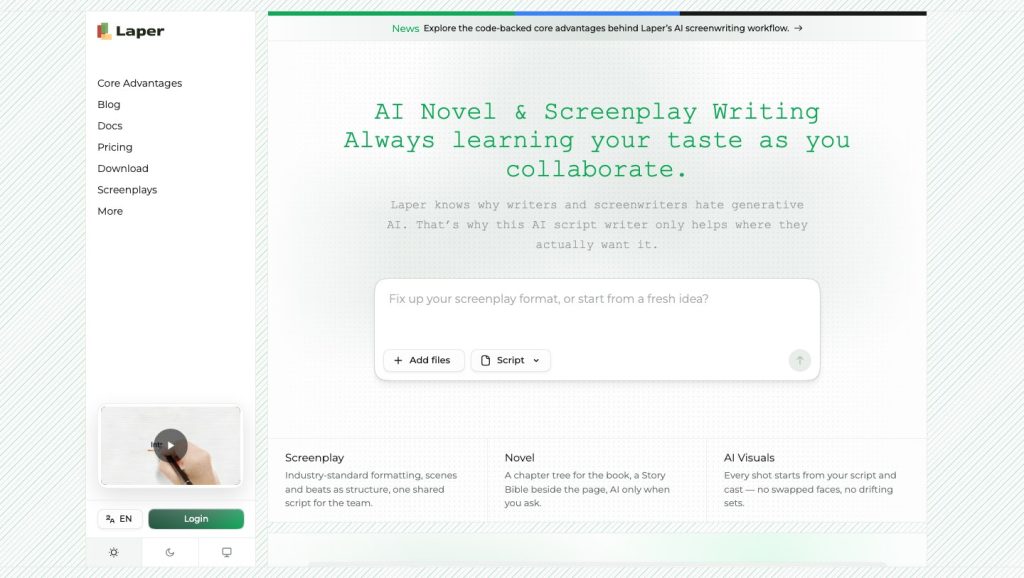
A general chatbot can produce dialogue. Laper is organized around what happens to a script as it becomes a working project: formatting, structure, characters, locations, props and shared production information. That narrower workflow gives a writer a reason to use dedicated software.
Founder Zhao Chunxiang describes building with Claude Code and Codex, while his partner works on growth. His public account credits the coding agents with implementation. It is a founder’s description of the process, not an independent repository analysis.
The October 30 payment profile showed $52,314 over 30 days and $48,929 MRR. These are meaningful signs of paid demand, without telling us how many users stay after finishing a particular project.
Laper illustrates a distinction that gets lost in discussions about AI businesses: using agents to build a product is not the same as asking customers to outsource all their creative decisions. The commercial proposition can be better organization and fewer repetitive steps.
Build story and source trail · Dated revenue profile · Explore Laper and our screenshots
4. Post Bridge: an annoyance from one business became another
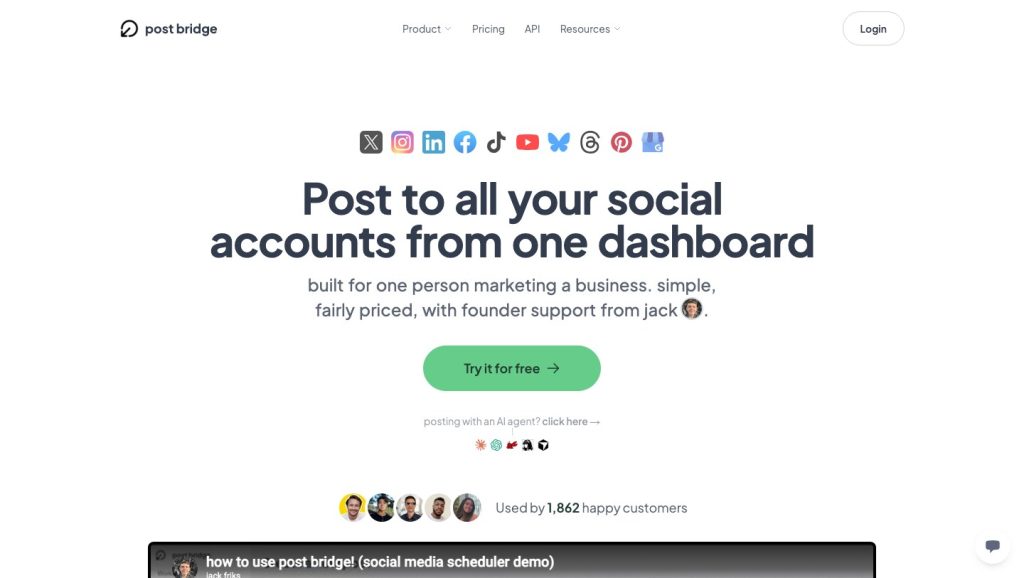
Post Bridge takes an ordinary marketing task—publishing the same material to several social accounts—and puts it into one workflow. Cross-posting, scheduling and managing media are easy to overlook until they become a recurring part of running a small business.
Jack Friks says he needed the tool while promoting an earlier application. He describes Cursor as important to his development process after starting with limited coding knowledge. His public presence and practical content about distribution also helped put the tool in front of potential customers.
Its Stripe-connected profile showed $47,547 in trailing 30-day revenue, $49,600 MRR and 1,652 active subscriptions on October 30.
The appealing part of this case is how little the customer needs to believe in AI. They can judge the product by whether it saves repeated uploads and makes a publishing schedule easier to manage. The implementation method is interesting to builders; the recurring task is what creates the purchasing decision.
Build story and source trail · Dated revenue profile · Explore Post Bridge and our screenshots
5. Brawler: a specific sport, a repeatable acquisition playbook
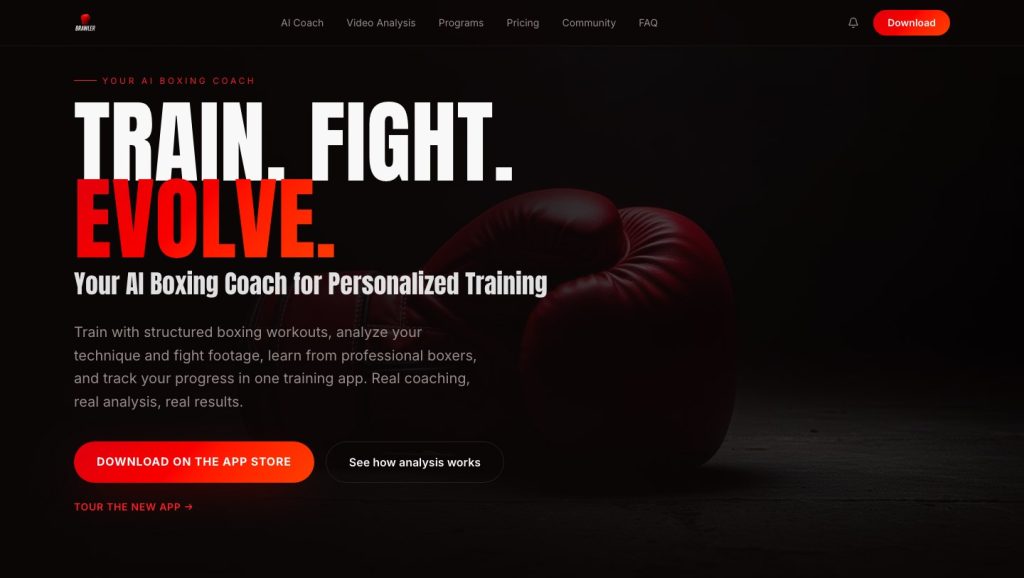
Brawler applies video-based feedback and training tools to boxing. Users can submit footage from practice, while the app offers programs, timers and other ways to structure a session. The official site acknowledges that automated feedback can be wrong and cannot replace a qualified coach.
George Lampropoulos, also associated with Wrestle AI, says Rork built Brawler. His earlier combat-sports product matters: this was an adjacent niche with familiar users and creator relationships, rather than a random app category selected from a list of ideas.
The RevenueCat-connected snapshot showed $45,513 over 30 days and $22,980 MRR. The published growth account describes paid creator posts and Meta advertising.
Those figures establish commercial traction, not coaching accuracy or profitability. With paid acquisition, the useful next questions are what a subscriber costs to acquire and how long that subscriber stays. A popular demonstration can sell an app without answering either question.
Build story and source trail · Dated revenue profile · Explore Brawler and our screenshots
6. SocialCrawl: why $1,087 MRR can hide a much bigger business
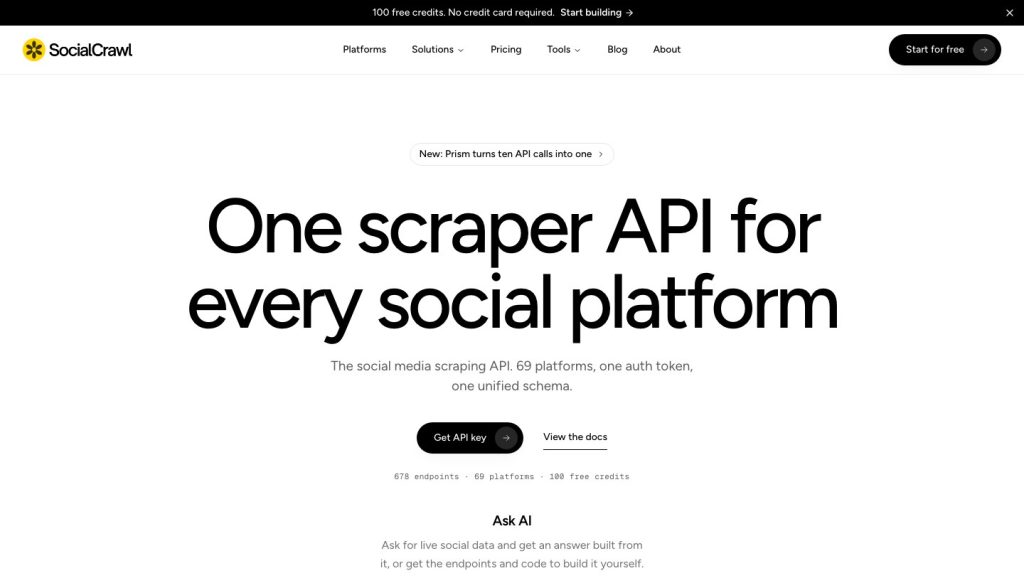
SocialCrawl provides a common API for social-platform data. For a developer, the attraction is less time maintaining separate integrations and parsing different responses. Its public site demonstrates endpoint usage and agent integrations, with credits playing a central role in pricing.
Cofounder Selene Lee described a roughly three-week build using AI coding tools, including Claude Code and Grok. The team also has real engineering experience. The account describes initial customers coming from communities where she had already participated, followed by Reddit and other channels.
On October 30, TrustMRR showed $45,266 in trailing revenue but only $1,087 MRR. That gap is not a rounding issue: recurring subscriptions capture only part of a business that also sells usage credits and other non-recurring purchases.
For anyone studying small software companies, this is a reason to ask how customers pay before comparing leaderboards. An MRR-only filter could make this business look smaller than it is. Total receipts alone would still say nothing about the cost of obtaining and delivering the data.
Build story and source trail · Dated revenue profile · Explore SocialCrawl and our screenshots
7. AbMaxx: the first influencer strategy was not the winning one
AbMaxx: Become Shredded uses a photo-based assessment as the entry point to a fitness subscription. The App Store separates the initial preview from paid routines, progress features and coaching. Its body-analysis claims are not independently validated by this review.
Founder Lino described starting the prototype in Lovable and rebuilding before launch. In his October interview, he also discussed early arrangements with large fitness influencers that did not work as hoped. Creator material used in paid campaigns became a more important part of the subsequent approach.
The RevenueCat-connected profile showed $41,200 in trailing 30-day revenue and $20,405 MRR on October 30. The listing refers specifically to Apple app ID 6757769125; similarly named apps should not be mixed into the evidence.
The story is about testing a sales message as much as constructing an application. It offers no basis for concluding that every acquisition campaign was profitable, or that the application’s assessment method is scientifically established. Revenue and product efficacy are separate questions.
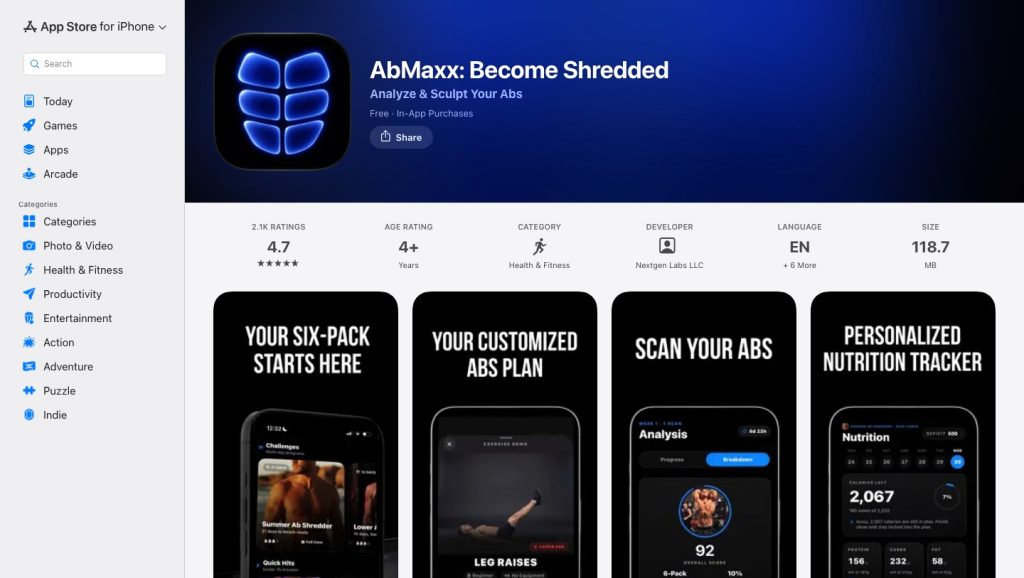
Build story and source trail · Dated revenue profile · Explore AbMaxx and our screenshots
8. TrustMRR: a leaderboard found its business in transactions
TrustMRR started as a response to questionable revenue screenshots. Marc Lou says he used Cursor to build the first payment-connected leaderboard in six hours and launched it on October 30, 2025. Advertising provided an initial way to monetize the attention.
According to his later account, a founder’s request to sell a startup prompted the addition of a marketplace. That changed the site’s role: visitors could move from comparing numbers to considering a business acquisition. The product evolved beyond its original two-column board.
Its own October 30 profile showed $40,141 in trailing revenue and $22,485 MRR. The profile reports a Stripe connection, but the operator is publishing these figures on its own platform, so they should not be described as an independent audit.
The most transferable idea here is not the launch speed. It is noticing when users want to do something more valuable than the original product allows. AI shortened the first build; a later customer request helped identify another source of revenue.

Build story and source trail · Dated revenue profile · Explore TrustMRR and our screenshots
9. GETebook.ai: the finished file is what gets sold
GETebook.ai combines drafting, cover creation and export into an ebook workflow. A buyer is paying to get closer to a usable digital product, rather than receiving text that still has to be assembled in other tools.
Founder Bogdan Dragomir describes using Claude Code for the application and its own analytics and testing features. The public account identifies paid social, search, content and email among the acquisition channels.
The payment profile showed $37,199 over 30 days and $10,782 MRR on October 30. Those are the platform’s receipts. They do not show what its users earned from selling books, and customer-income claims on the marketing site should not be substituted for that missing evidence.
The distinction is useful for evaluating any “make money with AI” tool. There can be a viable business selling production software even when the commercial outcome of the resulting books remains unknown. Editing, fact-checking and finding readers still sit outside the act of generating a file.
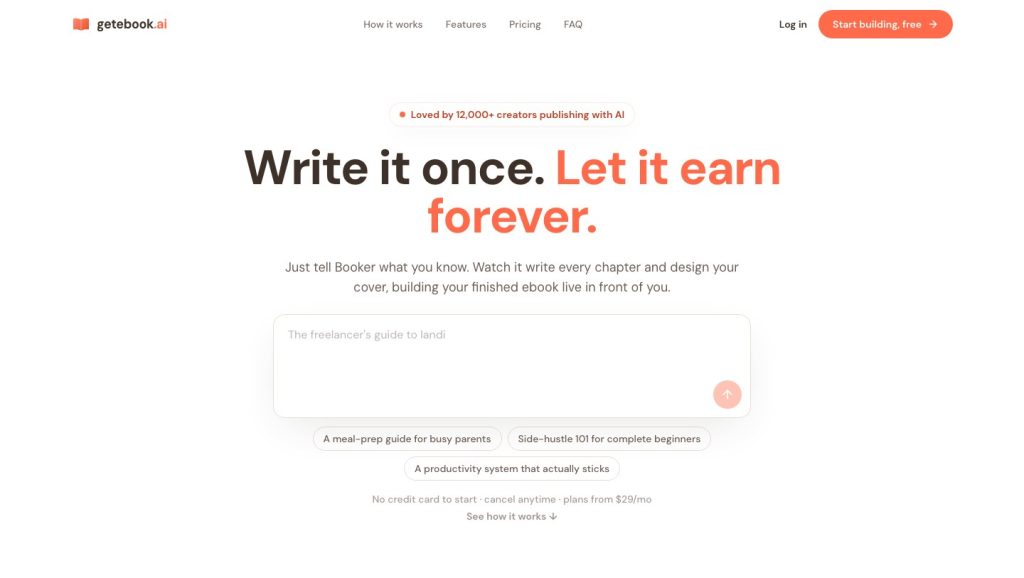
Build story and source trail · Dated revenue profile · Explore GETebook.ai and our screenshots
10. SuperX: building for a channel the founder already understands
SuperX connects post discovery, writing assistance, scheduling and analytics for X. It is built around the recurring work of running an account, with a browser extension linking parts of the workflow to the platform itself.
Rob Hallam has an engineering background and describes using Claude Code. The published history also includes an existing extension and a partnership, which makes “a beginner created everything from nothing” the wrong version of the story.
On October 30, the Stripe-connected profile showed $19,520 in trailing revenue, $20,613 MRR and 485 active subscriptions. Hallam’s activity on X was itself a distribution asset.
The product and its marketing channel reinforce each other: demonstrating a better way to work on X can reach people who might buy that workflow. For another founder, the practical question is whether they understand a customer’s recurring task equally well—not whether they can reproduce the same landing page.

Build story and source trail · Dated revenue profile · Explore SuperX and our screenshots
What these ten cases actually suggest
There is paid demand across several quite different categories. Some customers want less publishing work, some need specialized creative software, and others buy infrastructure. “Built with AI” describes the development process; it does not describe one market with one route to revenue.
The repeated pattern in this selection is a concrete task paired with a way to reach people doing that task. Post Bridge began with the founder’s own publishing problem. Dropmagic had a creator inside the founding team. SocialCrawl’s early community participation preceded its sales. These are different mechanisms, but none is equivalent to uploading a finished app and waiting.
There is also substantial survivorship bias. We deliberately selected businesses with visible revenue. This group cannot tell us the probability that a new vibe-coded project will succeed, how many failed attempts preceded these products, or the median result for builders using the same tools.
Finally, the cost side remains incomplete. Model usage, advertising, affiliate payouts, refunds, platform fees and the founders’ time can change the economics substantially. The defensible conclusion is that these projects found paying customers. Calling them the world’s ten most profitable vibe-coded businesses would go beyond the evidence.
For a new builder, a useful sequence is to identify a recurring job, talk to the people doing it, ship a narrow paid version and measure both acquisition costs and delivery costs. AI can shorten the implementation stage. It cannot make those other stages optional.
Building something of your own? Submit your project to CoderHype to show what it does, how you built it and what happened after launch.